Oral Habits & Ortho Support
Ending thumb and pacifier habits with a positive, shame-free program, and retraining the muscle patterns behind orthodontic relapse.
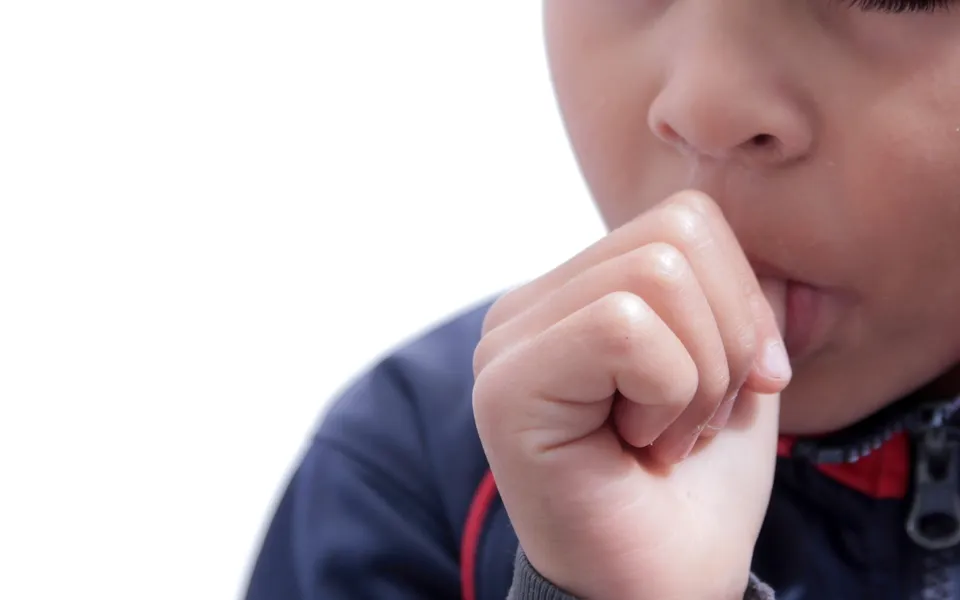
Understanding oral habits
Thumb sucking, pacifiers, and similar habits are comfort strategies, and they work, which is exactly why they persist. But gentle pressure applied many hours a day moves teeth and shapes the palate, and past a certain age the trade-off stops being worth it.
The same physics explains orthodontic relapse. Braces and aligners move teeth, but if the tongue still pushes forward with every swallow, thousands of swallows a day press against the result. Retraining the swallow protects the investment.
Signs we see
- Thumb, finger, or pacifier habits beyond the age your dentist recommends
- An open bite, or teeth that shifted after braces came off
- A tongue that pushes against or between the teeth during swallowing
- Persistent nail biting or chewing on objects
- An orthodontist recommending myofunctional support around treatment
How therapy helps
Habit elimination here is positive and child-led: motivation, small wins, and replacement strategies rather than punishment or shame. Most children are proud to graduate from the habit once they own the process.
For orthodontic support, we retrain the resting posture and swallow pattern so the muscles work with the orthodontic plan instead of against it, and we time each phase around treatment milestones.
What to expect
- An evaluation of habits, swallow pattern, and rest posture
- A short, encouraging habit-elimination program for children
- Swallow retraining phased around orthodontic treatment
- Coordination and written reports shared with your dental team
Have a question this page does not answer? The free 15-minute phone consultation is the fastest way to get it answered.
Part of our program
Ending thumb, finger, and pacifier habits and retraining the posture underneath runs within the program, with positive reinforcement and parent coaching built in.
See how our program worksReady when you are.
Book a free 15-minute phone consultation. No referral needed.